¿Dónde está permitida la acampada libre?
Wild camping, or camping outside of official campsites, is an activity that evokes freedom, a connection with nature, and adventure. However, it is not always legal or welcome. Laws vary considerably from country to country, and even within regions of the same country. If you are considering wild camping, it is essential to know where it is permitted to avoid penalties and enjoy a safe and environmentally responsible experience.
In this article, we explore where wild camping is allowed, what rules you should be aware of, and some practical recommendations for doing it responsibly.
What exactly is wild camping?
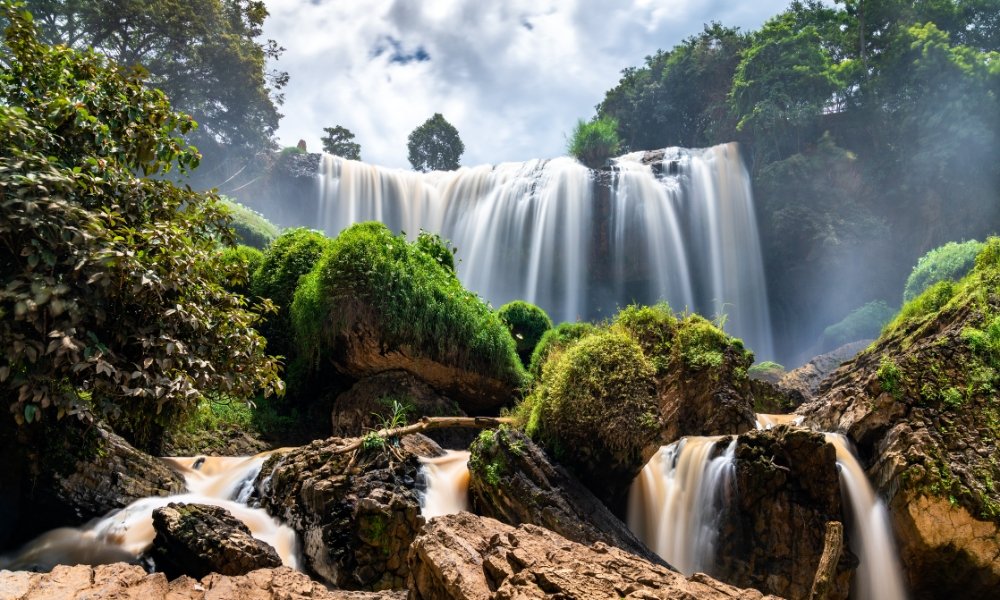
Wild camping refers to setting up a tent, sleeping bag, or any other equipment for overnight stays in nature, outside of officially designated campsites. This can include mountains, forests, beaches, or open fields.
It’s important to distinguish this from bivouacking , which is sleeping outdoors without a tent, usually with a sleeping bag or sleeping mat. Some laws allow bivouacking even where wild camping is prohibited, as it’s considered less invasive.
Sleeping bag
1. MalloMe Ultralight, Compact and Waterproof Adult Sleeping Bag

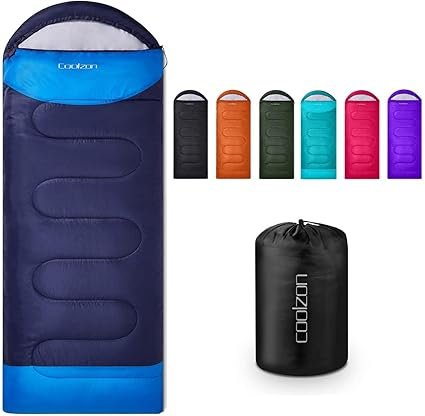
2. Coolzon Adult Sleeping Bag for 3-4 Seasons
3. Yordawn Ultralight and Compact Adult-Child Sleeping Bag

Countries where wild camping is allowed
1. Norway, Sweden and Finland (Public right of access)
In these Scandinavian countries, wild camping is permitted thanks to the principle known as «Allemansrätten,» or right of free access . This law allows anyone to travel and camp on private, uncultivated land for a maximum of one or two nights, provided they do not cause damage or disturbance.
- Basic rules:
- Maintain at least 150 meters from any dwelling.
- Leave no residue.
- Do not light fires during periods of high risk (summer).
- Respect the local flora and fauna.
This makes Scandinavia a paradise for hikers, cyclists, and backpackers.
2. Scotland
Scotland allows wild camping in most of its land, including many natural areas, thanks to the Land Reform Act (2003) . Unlike the rest of the UK (England and Wales), where it is prohibited, responsible camping is legal in open areas in Scotland.
- Campers are expected to follow the Scottish Outdoor Access Code , which sets out guidelines for conduct to protect the natural environment.
3. Iceland (with restrictions)
Iceland largely allowed wild camping until a few years ago. However, due to increasing tourism, the rules have been tightened. Today, camping is only permitted outside of designated campsites on public land not near roads, and with the landowner’s permission if the land is private.
- In protected or highly touristic areas, it is completely prohibited.
- Bivouacking is more acceptable if it is for a single night and without causing any impact.
Countries where it is partially permitted or restricted
1. Spain
In general, wild camping is prohibited in almost all of Spain , but there are exceptions at the regional and local levels. Each autonomous community can establish its own regulations.
- Galicia, Asturias, Castilla y León and Aragón have regulations that allow bivouacking or free camping under certain conditions.
- In national or natural parks, camping is restricted or prohibited.
- Recommendation: Always check with the local council or environmental department before camping.
2. France
In France, wild camping is not permitted on beaches, in national parks, along roads, or on private property without a permit. However, bivouacking is allowed in certain mountainous areas , particularly in the Alps and Pyrenees, provided it takes place at dusk and is dismantled at dawn.
- Some municipalities allow tents to be set up for one night in specific areas.
- There are designated «bivouac» areas where overnight stays are permitted under certain conditions.
3. Portugal
Portugal prohibits wild camping in most regions, especially in coastal and protected areas. Fines can be high. However, in sparsely populated rural areas, camping is permitted with discretion and responsibility.
Since 2021, authorities have tightened sanctions, especially against motorhome owners who stay overnight outside designated areas.
Countries where it is prohibited
1. Germany
In Germany, wild camping is prohibited by law, although some regions allow bivouacking for mountaineers or hikers. Platforms like «Trekking Camps» offer legal and supervised camping in nature.
2. United Kingdom (England and Wales)
Unlike in Scotland, in England and Wales wild camping is prohibited except in authorized areas, such as part of Dartmoor National Park (although even this has been legally debated recently).
3. Italy
In Italy, wild camping is generally prohibited, although some regions like Trentino-Alto Adige and Sardinia allow bivouacking in mountainous areas. You need authorization from the local authorities or landowners.
Tips for responsible wild camping
- Get informed before you go: Check local regulations. Penalties for illegal camping can be high.
- Respect nature: Do not leave trash, avoid making fires, and do not damage the flora or disturb the fauna.
- Don’t disturb others: Keep your distance from houses, roads, and other people.
- Be discreet: Set up your tent at dusk and take it down at dawn.
- Take your waste with you: Even biodegradable waste, such as food scraps, must be collected.
Related publications: What to eat while camping
Related publications: Bivouacking vs. Camping: Essential differences for nature lovers
Conclusion
Wild camping is a wonderful way to connect with nature, but it also comes with great responsibility. Not all countries allow it, and in many cases, doing so without proper information can result in fines or damage to sensitive environments. If you choose to wild camp, do so legally, respectfully, and sustainably. This way, you’ll help preserve these spaces for future generations of adventurers.
Are you planning a wild camping trip soon? What destination would you like to go to?
I can help you plan your route and find areas where it is allowed.
Related publications: What to pack for a mountain camping trip
Related publications: Trail signage: what do the signs mean?
0 comentarios